


Boutique AirBnB Management in Cape Town for property owners who want a hands-off and high-performing listing.

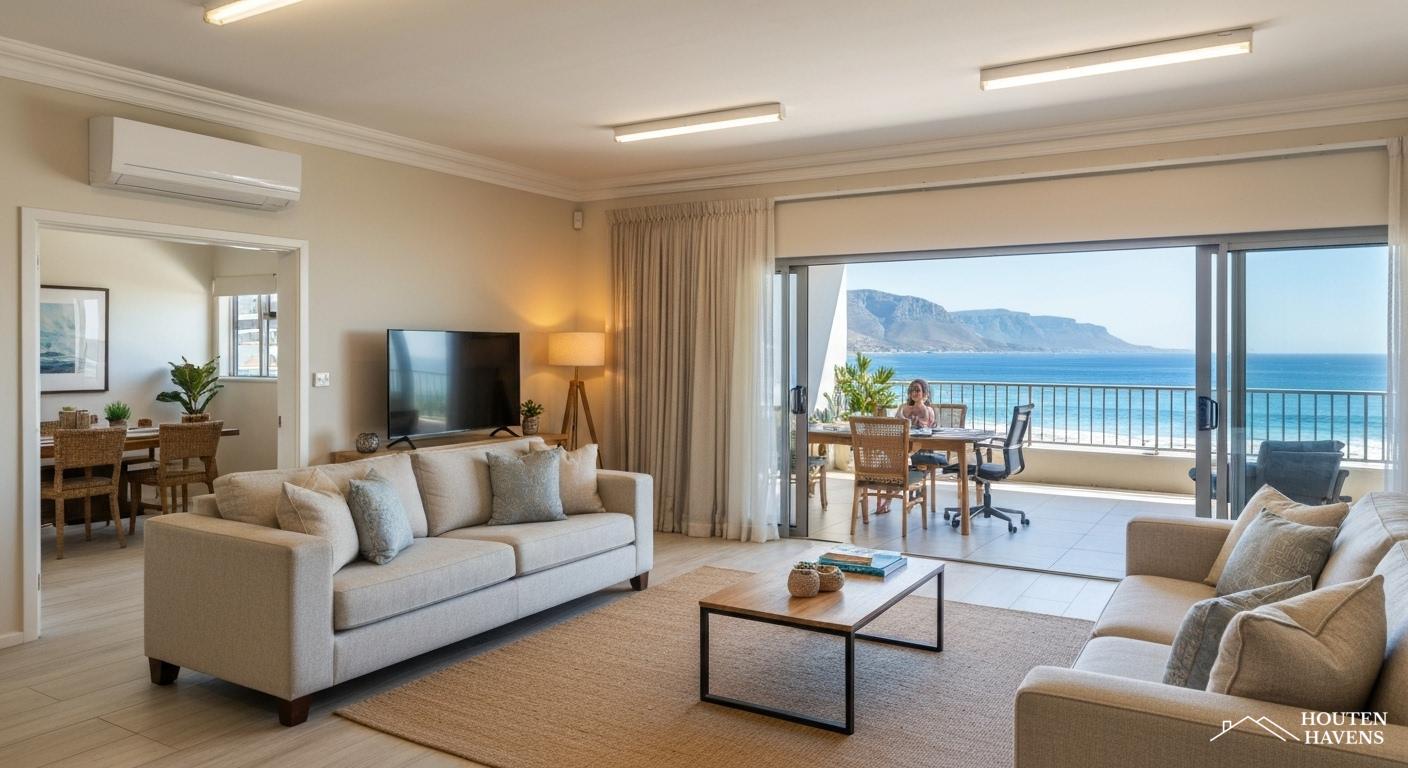
Cape Town's property market in 2025 presents an evolving landscape for landlords deciding between Airbnb management and traditional long-term property management. With around 11,000 active Airbnb listings citywide and increasing interest in short-term rentals, property owners face a critical choice: pursue dynamic, higher-yield but more hands-on Airbnb hosting or opt for steadier, lower-risk traditional rentals. Understanding these two management models is essential for maximizing your property’s potential.
Cape Town’s Airbnb market has grown rapidly, particularly in sought-after neighborhoods like Atlantic Seaboard, Sea Point, Camps Bay, and the City Bowl. Premium vacation rental properties there generate strong gross yields of around 10-12%, sometimes exceeding traditional rents by 30-50%. Meanwhile, traditional long-term rentals remain popular in residential suburbs such as Durbanville, Century City, and Rondebosch where demand is steady and regulatory risk is lower.
The City of Cape Town's collaboration with Airbnb since 2017 signals a progressive stance on regulated short-term rentals. Yet property owners should expect ongoing tightening of rules and tax enforcement, making professional management invaluable.
Airbnb occupancy: Median occupancy for Cape Town Airbnb listings hovers around 47%, with top properties reaching up to 88%. Average daily rates can be about R3,300, translating to premium revenue but with seasonal variance.
Traditional rentals: Long-term leases offer near 100% occupancy when tenanted, with fixed monthly income and minimal vacancy risk. Rental yields are generally lower but more consistent.
Houten Havens leverages this data-driven insight to optimize pricing and occupancy, tailoring strategies to each property’s location and profile.
Professional Airbnb management companies like Houten Havens deploy advanced techniques to boost revenue beyond what typical landlords achieve:
Traditional property managers focus primarily on tenant screening, rent collection, and lease compliance, but lack this agility to capitalize on short-term market dynamics.
Airbnb / Short-term management often yields higher gross income due to premium daily rates and occupancy optimization. However, owners face:
Traditional long-term management offers:
Houten Havens provides boutique, personalized management that balances these factors, enabling Cape Town property owners to achieve superior returns with stress-free ownership.
Choose Airbnb management if:
Opt for traditional management if:
Many Cape Town owners successfully combine both approaches, renting short-term during peak tourist seasons and long-term off-season to stabilize cash flow.
The decision between Airbnb management and traditional property management ultimately depends on your location, risk tolerance, desired income pattern, and involvement level. Professional management companies like Houten Havens, with deep Cape Town market expertise, deliver outstanding revenue optimization, guest experience, and operational excellence.
Discover how Houten Havens can help you harness the best of Airbnb and traditional rental strategies to maximize your property’s potential with confidence and ease.


